
Fatty Liver Disease: Early Symptoms, Causes, Stages & Treatment
Fatty Liver Disease often develops silently without noticeable symptoms. Learn about its early warning signs, causes, stages, diagnosis, treatment, and practical lifestyle changes that can help protect your liver.
Introduction
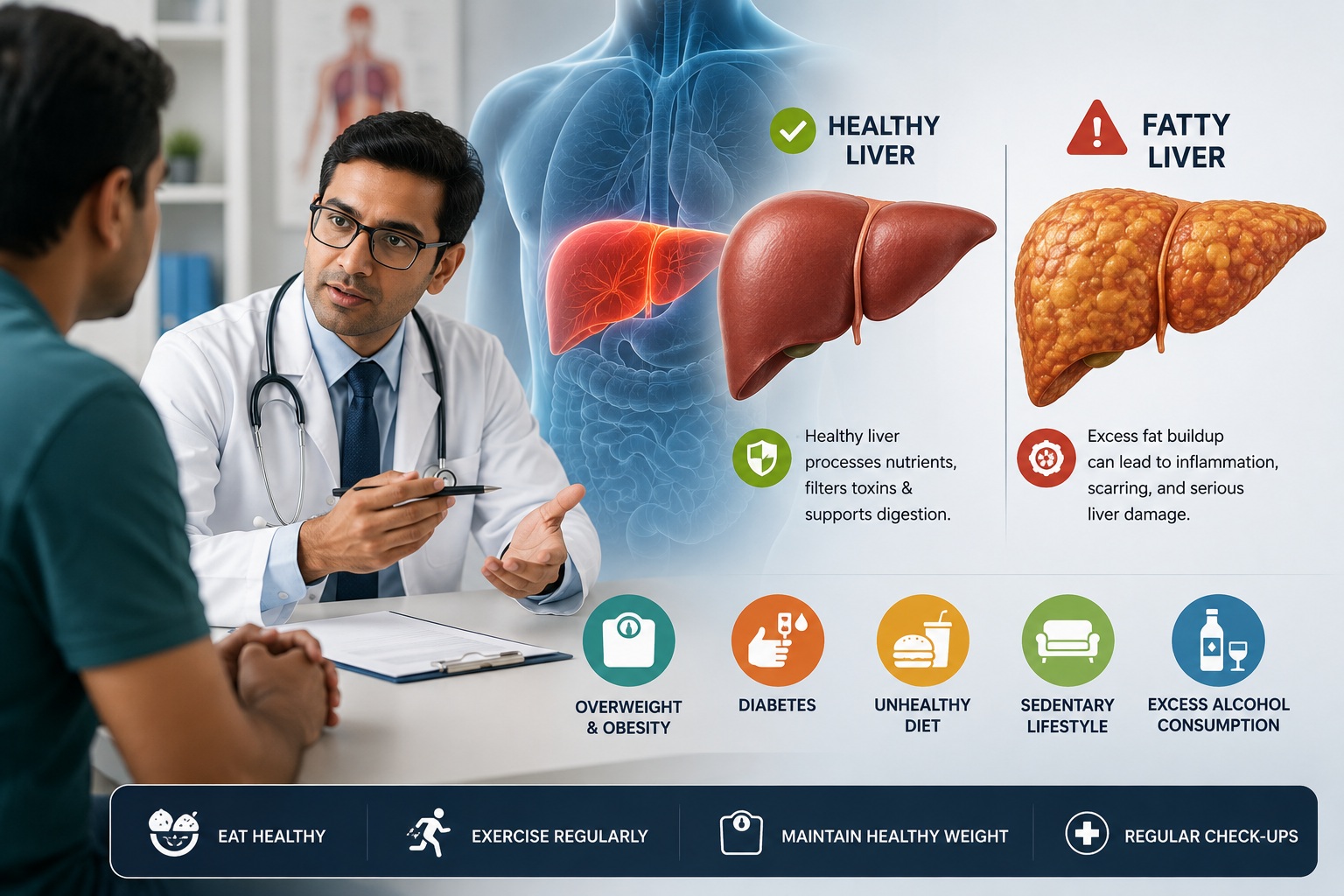
Your liver is one of the most important organs in your body. It removes toxins, supports digestion, stores nutrients, and helps maintain overall health. However, due to unhealthy eating habits, obesity, diabetes, and a sedentary lifestyle, Fatty Liver Disease has become increasingly common.
The biggest concern is that most people don't experience any symptoms during the early stages, allowing the condition to progress unnoticed. If left untreated, it may lead to liver inflammation, cirrhosis, or even liver failure.
Understanding the warning signs and making timely lifestyle changes can significantly reduce the risk of serious complications.
What is Fatty Liver Disease?
Fatty Liver Disease occurs when excess fat accumulates inside liver cells. A small amount of fat is normal, but too much fat can interfere with normal liver function.
There are two main types:
1. Non-Alcoholic Fatty Liver Disease (NAFLD)
This is the most common type and usually affects people who are overweight, have diabetes, or high cholesterol.
2. Alcoholic Fatty Liver Disease (AFLD)
This develops due to excessive alcohol consumption, which gradually damages liver cells.
Early Symptoms of Fatty Liver Disease
In many cases, there are no noticeable symptoms. As the disease progresses, you may experience:
- Persistent fatigue
- Pain or discomfort in the upper right abdomen
- Unexplained weakness
- Loss of appetite
- Mild nausea
- Difficulty concentrating
- Unexplained weight loss (advanced stages)
Common Causes
Several factors increase the risk of developing Fatty Liver Disease:
- Obesity
- Type 2 Diabetes
- High cholesterol
- High triglycerides
- Poor eating habits
- Excessive alcohol intake
- Lack of physical activity
- Metabolic syndrome
Stages of Fatty Liver Disease
Stage 1 – Simple Fatty Liver
Fat starts building up inside the liver with little or no inflammation.
Stage 2 – Steatohepatitis
The liver becomes inflamed, increasing the risk of permanent damage.
Stage 3 – Fibrosis
Long-term inflammation causes scar tissue to develop.
Stage 4 – Cirrhosis
Severe scarring permanently damages the liver and may lead to liver failure or liver cancer.
Who Is at Higher Risk?
You have a higher risk if you:
- Are overweight
- Have diabetes
- Have high blood pressure
- Have high cholesterol
- Consume alcohol regularly
- Live a sedentary lifestyle
- Have a family history of liver disease
How Is Fatty Liver Diagnosed?
Doctors may recommend:
- Liver Function Test (LFT)
- Ultrasound
- FibroScan
- CT Scan or MRI
- Liver Biopsy (when necessary)
Early diagnosis helps prevent serious liver damage.
Treatment Options
Currently, there is no single medicine that completely cures Fatty Liver Disease. Treatment mainly focuses on improving lifestyle.
Doctors usually recommend:
- Losing excess weight
- Regular exercise
- Healthy eating habits
- Controlling diabetes
- Managing cholesterol
- Avoiding alcohol
Foods That Support Liver Health
Include these foods in your diet:
- Green leafy vegetables
- Fruits
- Whole grains
- Oats
- Fish rich in Omega-3
- Nuts
- Olive oil
- Beans and lentils
Foods to Avoid
Limit the intake of:
- Sugary drinks
- Fried foods
- Fast food
- Processed snacks
- White bread
- Alcohol
- Excess sweets
Can Fatty Liver Be Reversed?
Yes.
If detected early, Fatty Liver Disease can often be reversed by:
- Losing 5–10% of body weight
- Exercising regularly
- Following a balanced diet
- Managing diabetes
- Controlling cholesterol
- Avoiding alcohol
When Should You See a Doctor?
Consult a healthcare professional if you experience:
- Persistent fatigue
- Upper abdominal pain
- Yellowing of the skin or eyes
- Swelling in the abdomen
- Abnormal liver test results
Final Thoughts
Fatty Liver Disease often develops silently, but early diagnosis and healthy lifestyle changes can prevent serious complications. Paying attention to your diet, maintaining a healthy weight, and staying physically active are among the best ways to protect your liver.
If you notice any warning signs or have risk factors such as obesity or diabetes, seek medical advice without delay.
Frequently Asked Questions (FAQs)
Can Fatty Liver Disease be cured?
Early-stage Fatty Liver Disease can often be reversed through healthy lifestyle changes.
Does Fatty Liver always cause symptoms?
No. Many people remain symptom-free until the disease becomes advanced.
Which doctor treats Fatty Liver Disease?
A Gastroenterologist or Hepatologist usually manages liver diseases.
Can exercise improve Fatty Liver?
Yes. Regular exercise combined with a healthy diet can significantly improve liver health.