
Cirrhosis: Symptoms, Causes, Diagnosis & Treatment
Cirrhosis is an advanced liver disease caused by long-term liver damage, where healthy liver tissue is replaced with scar tissue, affecting normal liver function. Common causes include excessive alcohol consumption, hepatitis infections, and fatty liver disease. Early diagnosis and appropriate treatment can help manage symptoms, slow disease progression, and reduce the risk of serious complications.
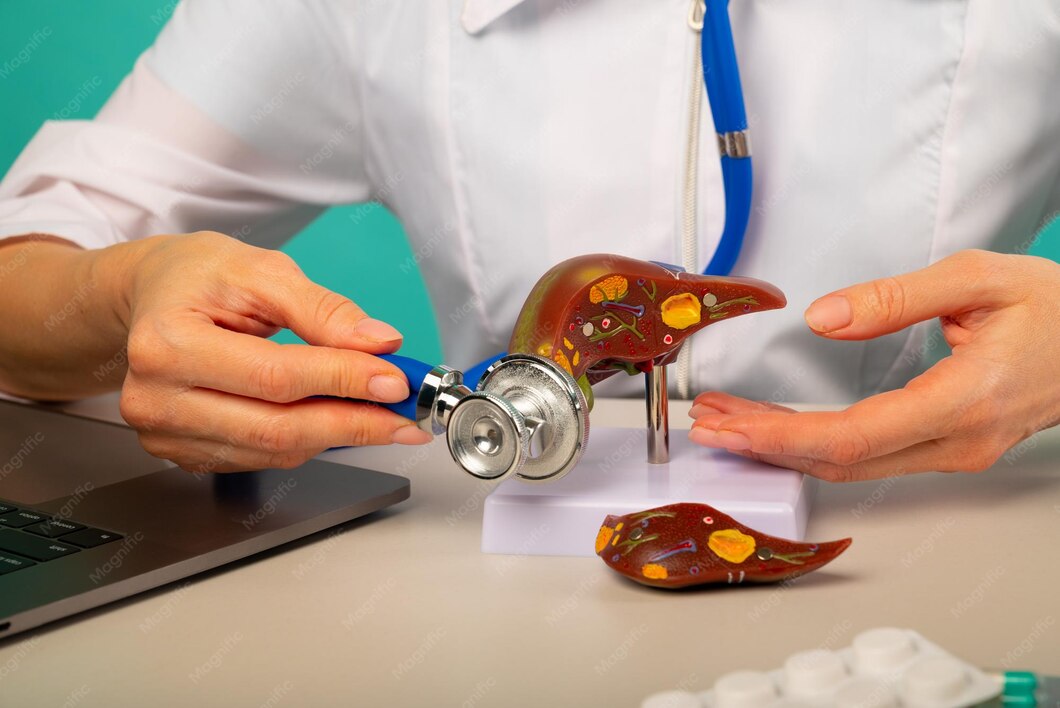
Cirrhosis is an advanced stage of liver disease in which healthy liver tissue is gradually replaced by scar tissue (fibrosis). This scarring affects the liver's normal structure and reduces its ability to perform essential functions such as filtering toxins, producing proteins, and aiding digestion. If left untreated, cirrhosis can lead to serious complications, including liver failure.
Symptoms of Cirrhosis
The symptoms of cirrhosis may develop gradually and can vary depending on the severity of the disease. Common signs and symptoms include:
- Persistent fatigue and weakness
- Yellowing of the skin and eyes (jaundice)
- Itchy skin
- Swelling in the legs and ankles
- Fluid accumulation in the abdomen (ascites)
- Loss of appetite and unexplained weight loss
- Easy bruising or excessive bleeding
- Confusion, memory problems, or drowsiness (hepatic encephalopathy)
- Sexual dysfunction or impotence in men
In advanced stages, cirrhosis may lead to liver failure, coma, and other life-threatening complications.
Causes of Cirrhosis
Several conditions can cause long-term liver damage, eventually leading to cirrhosis. Common causes include:
Chronic alcohol consumption
Hepatitis B and Hepatitis C infections
Non-alcoholic fatty liver disease (NAFLD) associated with obesity and diabetes
Long-term liver inflammation
Certain medications that may damage the liver when used for prolonged periods or in high doses
Injury or blockage of the bile ducts
Genetic or autoimmune liver disorders
Chronic liver congestion due to heart-related conditions
Diagnosis of Cirrhosis
A doctor will diagnose cirrhosis based on your medical history, symptoms, physical examination, and diagnostic tests.
Common investigations include:
Complete medical history and physical examination
Blood tests, including liver function tests
Complete blood count (CBC)
Viral hepatitis screening
Liver cancer screening, if required
Ultrasound of the liver
CT scan or MRI scan
Upper gastrointestinal endoscopy to detect enlarged veins (varices)
Liver biopsy, when necessary, to confirm the diagnosis
Treatment of Cirrhosis
The treatment of cirrhosis focuses on slowing the progression of liver damage, managing symptoms, and preventing complications.
Treatment may include:
Complete avoidance of alcohol
Maintaining a healthy body weight
Controlling blood sugar levels in patients with diabetes
Following a balanced, low-sodium diet to reduce fluid retention
Taking prescribed medications to manage complications
Regular monitoring of liver function
Treating the underlying cause, such as viral hepatitis or fatty liver disease
In advanced cases where the liver is severely damaged and no longer functions adequately, liver transplantation may be the most effective treatment option.
Prevention
Although cirrhosis cannot always be prevented, the risk can be reduced by:
Avoiding excessive alcohol consumption
Maintaining a healthy weight
Eating a balanced diet
Exercising regularly
Getting vaccinated against Hepatitis B
Seeking timely treatment for liver diseases
Taking medications only under medical supervision
Early diagnosis and proper treatment can help slow disease progression, improve quality of life, and reduce the risk of serious complications.
If this content is for a hospital website or doctor profile, it is now suitable for patient education, SEO, and healthcare website publication.